

Oxycodone Hydrochloride Tablets USP 80 mg – Uses, Dosage, Benefits, Safety, and Clinical
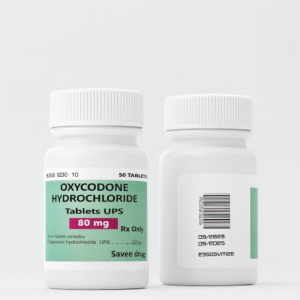
Oxycodone Hydrochloride Tablets USP 80 mg are prescription opioid analgesic tablets used for the management of severe pain that requires continuous and long-term opioid treatment. This medication contains oxycodone hydrochloride, a potent semisynthetic opioid that acts directly on the central nervous system to reduce pain perception and improve patient comfort.
Patients receiving long-term pain management may also undergo hormone-related supportive care treatments such as Testosterone Enanthate Injection for medically supervised testosterone replacement therapy.
The 80 mg strength is considered a high-dose opioid formulation and is intended only for opioid-tolerant patients who are already receiving regular opioid therapy. Due to its potency, this medication must be prescribed and monitored carefully by qualified healthcare professionals experienced in pain management.
Oxycodone Hydrochloride Tablets USP 80 mg are commonly used in chronic pain therapy, cancer pain management, post-surgical recovery, orthopedic trauma treatment, and palliative care settings where weaker analgesics fail to provide adequate relief.
What Are Oxycodone Hydrochloride Tablets USP 80 mg?
Oxycodone Hydrochloride Tablets USP 80 mg are oral opioid pain-relief tablets designed to provide strong and sustained analgesia in patients suffering from moderate to severe pain. The medication belongs to the opioid agonist class and primarily targets μ-opioid receptors located in the brain and spinal cord.
By modifying the way the nervous system responds to pain signals, oxycodone helps reduce both the physical sensation of pain and the emotional distress associated with severe discomfort.
This medication is classified as a controlled substance because of its potential for misuse, dependence, and addiction. Therefore, treatment should always occur under strict medical supervision.
Active Ingredient and Composition
Active Pharmaceutical Ingredient
Each tablet contains:
- Oxycodone Hydrochloride USP 80 mg
Inactive Ingredients
Depending on the manufacturer formulation, inactive ingredients may include:
- Lactose monohydrate
- Microcrystalline cellulose
- Magnesium stearate
- Colloidal silicon dioxide
- Hypromellose
- Titanium dioxide
- Polyethylene glycol
These inactive ingredients help maintain tablet stability, absorption characteristics, and controlled drug release.
Mechanism of Action
Oxycodone functions as a full opioid agonist. It binds primarily to μ-opioid receptors in the central nervous system. Activation of these receptors blocks ascending pain pathways and changes the brain’s interpretation of pain signals.
The medication produces several pharmacological effects, including:
- Analgesia
- Sedation
- Relaxation
- Reduced pain perception
- Decreased emotional response to pain
Oxycodone also suppresses certain functions of the central nervous system, which explains why excessive dosing may result in respiratory depression and sedation.
Compared with some other opioids, oxycodone demonstrates relatively high oral bioavailability, making it highly effective when administered orally.
Medical Uses of Oxycodone Hydrochloride Tablets USP 80 mg
Chronic Severe Pain Management
One of the primary uses of Oxycodone Hydrochloride Tablets USP 80 mg is the treatment of chronic severe pain that cannot be adequately controlled using non-opioid medications.
Patients with debilitating pain conditions may require long-term opioid therapy to maintain quality of life and physical functioning.
Cancer Pain Treatment
Cancer-related pain often becomes severe during advanced disease stages. Oxycodone 80 mg tablets are commonly prescribed in oncology and palliative care settings to provide continuous pain relief for patients with persistent malignant pain.
Post-Operative Pain
After major surgical procedures, some patients experience severe pain requiring extended opioid treatment. Oxycodone helps control post-operative discomfort and improves recovery by allowing better rest and mobility.
Orthopedic and Trauma Pain
Serious fractures, spinal injuries, and traumatic conditions may produce intense pain unresponsive to weaker analgesics. Oxycodone opioid therapy may be necessary in these cases.
Palliative and Hospice Care
In palliative medicine, maintaining patient comfort is a major treatment goal. Oxycodone Hydrochloride Tablets USP 80 mg support effective symptom management in terminal illness and end-of-life care.
Who Can Use Oxycodone Hydrochloride Tablets USP 80 mg?
This medication is intended only for opioid-tolerant adults.
An opioid-tolerant patient generally refers to someone who has been receiving substantial opioid therapy for at least one week or longer. These patients already possess some physiological tolerance to opioid medications.
The 80 mg formulation should never be used in:
- Opioid-naïve individuals
- Children
- Patients with severe respiratory depression
- Individuals with acute asthma
- Patients with known hypersensitivity to oxycodone
Improper use in non-tolerant individuals can lead to fatal overdose and respiratory failure.
Dosage and Administration
Recommended Administration
Oxycodone Hydrochloride Tablets USP 80 mg should be taken orally with water exactly as prescribed by a healthcare provider.
Patients should:
- Swallow tablets whole
- Avoid crushing or chewing tablets
- Take doses at scheduled intervals
- Follow physician instructions precisely
Crushing or dissolving the tablet may release a dangerous amount of oxycodone rapidly into the bloodstream.
Individualized Dosing
Opioid dosing must be individualized based on:
- Previous opioid exposure
- Severity of pain
- Patient response
- Medical condition
- Age and organ function
Physicians often use opioid conversion charts when switching patients from other opioid medications to oxycodone.
Dose Titration
Dosage adjustments are made gradually to achieve effective pain control while minimizing adverse effects.
Careful monitoring during initiation and titration is essential to reduce overdose risk.
Discontinuation
Treatment should never stop abruptly after prolonged use. Gradual tapering helps prevent opioid withdrawal symptoms such as:
- Anxiety
- Sweating
- Insomnia
- Muscle aches
- Abdominal cramps
- Restlessness
Clinical Benefits of Oxycodone 80 mg Tablets
Effective Long-Lasting Pain Relief
The medication provides sustained analgesia for patients experiencing persistent severe pain.
Improved Daily Functioning
Patients receiving appropriate opioid therapy may experience improved physical activity, mobility, and overall functioning.
Better Sleep Quality
By reducing nighttime pain episodes, oxycodone therapy may improve sleep quality and overall comfort.
Reduced Breakthrough Pain
Continuous opioid treatment helps stabilize pain control and reduce sudden severe pain flare-ups.
Enhanced Comfort in Palliative Care
In hospice and palliative settings, oxycodone supports compassionate symptom management and patient comfort.
Warnings and Precautions
Addiction and Abuse Potential
Oxycodone Hydrochloride Tablets USP 80 mg carry a significant risk of addiction, misuse, and abuse. Long-term use may result in physical dependence and psychological addiction.
Healthcare providers must evaluate risks carefully before prescribing opioid therapy.
Respiratory Depression
Respiratory depression is the most serious risk associated with opioid use. High doses may slow breathing to dangerous levels, especially during treatment initiation or dose escalation.
Patients with respiratory disorders require close monitoring.
Accidental Ingestion
Accidental ingestion of even a single 80 mg tablet can be fatal, particularly in children and opioid-naïve adults.
Medication must always remain securely stored.
CNS Depression
Combining oxycodone with alcohol, sedatives, or benzodiazepines may increase central nervous system depression and respiratory suppression.
Pregnancy Risks
Prolonged opioid use during pregnancy may cause neonatal opioid withdrawal syndrome in newborns.
Impaired Mental Alertness
Oxycodone may impair concentration, reaction time, and coordination. Patients should avoid driving or operating machinery until they understand how the medication affects them.
Common Side Effects of Oxycodone Hydrochloride
Gastrointestinal Side Effects
Common digestive side effects include:
- Constipation
- Nausea
- Vomiting
- Dry mouth
Constipation is particularly common during long-term opioid therapy and may require preventive management.
Nervous System Effects
Patients may experience:
- Drowsiness
- Dizziness
- Fatigue
- Headache
These effects are often more pronounced during early treatment stages.
Sweating and Flushing
Some individuals develop excessive sweating or skin flushing while receiving opioid therapy.
Serious Adverse Reactions
Serious complications associated with oxycodone may include:
- Respiratory depression
- Severe hypotension
- Bradycardia
- Hallucinations
- Confusion
- Loss of consciousness
- Seizures
- Opioid overdose
Immediate medical attention is necessary if severe reactions occur.
Drug Interactions
CYP3A4 Inhibitors
Certain medications may increase oxycodone blood levels and toxicity risk, including:
- Clarithromycin
- Ketoconazole
- Ritonavir
CYP3A4 Inducers
Some drugs may reduce oxycodone effectiveness by accelerating metabolism, including:
- Rifampin
- Carbamazepine
- Phenytoin
Benzodiazepines and Sedatives
Concurrent use with sedative medications may increase:
- Respiratory depression
- Sedation
- Coma risk
Alcohol Interaction
Alcohol significantly enhances opioid-related CNS depression and should be avoided completely during treatment.
Signs of Oxycodone Overdose
Common Overdose Symptoms
Symptoms of overdose may include:
- Extreme drowsiness
- Slow breathing
- Pinpoint pupils
- Blue lips or skin
- Loss of consciousness
- Weak pulse
Emergency Treatment
Overdose management requires immediate emergency medical care.
Treatment may include:
- Airway support
- Oxygen therapy
- Naloxone administration
- Cardiovascular monitoring
Because oxycodone effects may outlast naloxone, continuous observation is often necessary.
Use in Special Populations
Elderly Patients
Older adults may be more sensitive to opioid effects, especially sedation and respiratory depression. Lower initial doses are generally recommended.
Renal Impairment
Patients with kidney dysfunction may accumulate oxycodone more rapidly and require dose adjustments.
Hepatic Impairment
Liver disease may reduce drug metabolism and increase toxicity risk.
Pregnancy
Use during pregnancy should occur only when benefits outweigh potential fetal risks.
Breastfeeding
Oxycodone passes into breast milk and may cause respiratory depression in nursing infants.
Dependence, Tolerance, and Withdrawal
Physical Dependence
Long-term opioid therapy commonly results in physical dependence. This is a physiological adaptation and differs from addiction.
Tolerance Development
Over time, some patients may require dosage adjustments due to reduced responsiveness to the same dose.
Withdrawal Symptoms
Abrupt discontinuation can produce withdrawal symptoms including:
- Chills
- Sweating
- Anxiety
- Muscle pain
- Nausea
- Insomnia
- Diarrhea
Proper tapering minimizes withdrawal discomfort.
Safe Storage and Handling
Storage Conditions
Oxycodone Hydrochloride Tablets USP 80 mg should be stored:
- At controlled room temperature
- Away from moisture and heat
- In tightly closed containers
- Protected from light
Controlled Substance Security
Due to abuse potential, the medication should remain in a locked and secure location inaccessible to children or unauthorized individuals.
Proper Disposal
Unused tablets should be disposed of through authorized drug take-back programs according to local regulations.
Importance of Medical Supervision
Opioid therapy requires ongoing medical evaluation to ensure:
- Adequate pain control
- Appropriate dosing
- Side-effect monitoring
- Safe long-term use
- Reduced misuse risk
Regular assessment helps optimize treatment outcomes while minimizing complications.
Conclusion
Oxycodone Hydrochloride Tablets USP 80 mg are powerful opioid analgesic tablets used for the treatment of severe chronic pain requiring continuous opioid therapy. Their strong analgesic action provides significant pain relief for opioid-tolerant patients dealing with cancer pain, post-surgical discomfort, trauma-related pain, and advanced chronic conditions.
Despite their therapeutic benefits, these tablets carry substantial risks including respiratory depression, addiction, dependence, and overdose. Appropriate patient selection, individualized dosing, careful monitoring, and strict adherence to medical guidance are essential for safe and effective treatment.
When used responsibly within a structured clinical pain-management plan, Oxycodone Hydrochloride Tablets USP 80 mg remain an important option in modern severe-pain therapy.
Reviews
There are no reviews yet.