
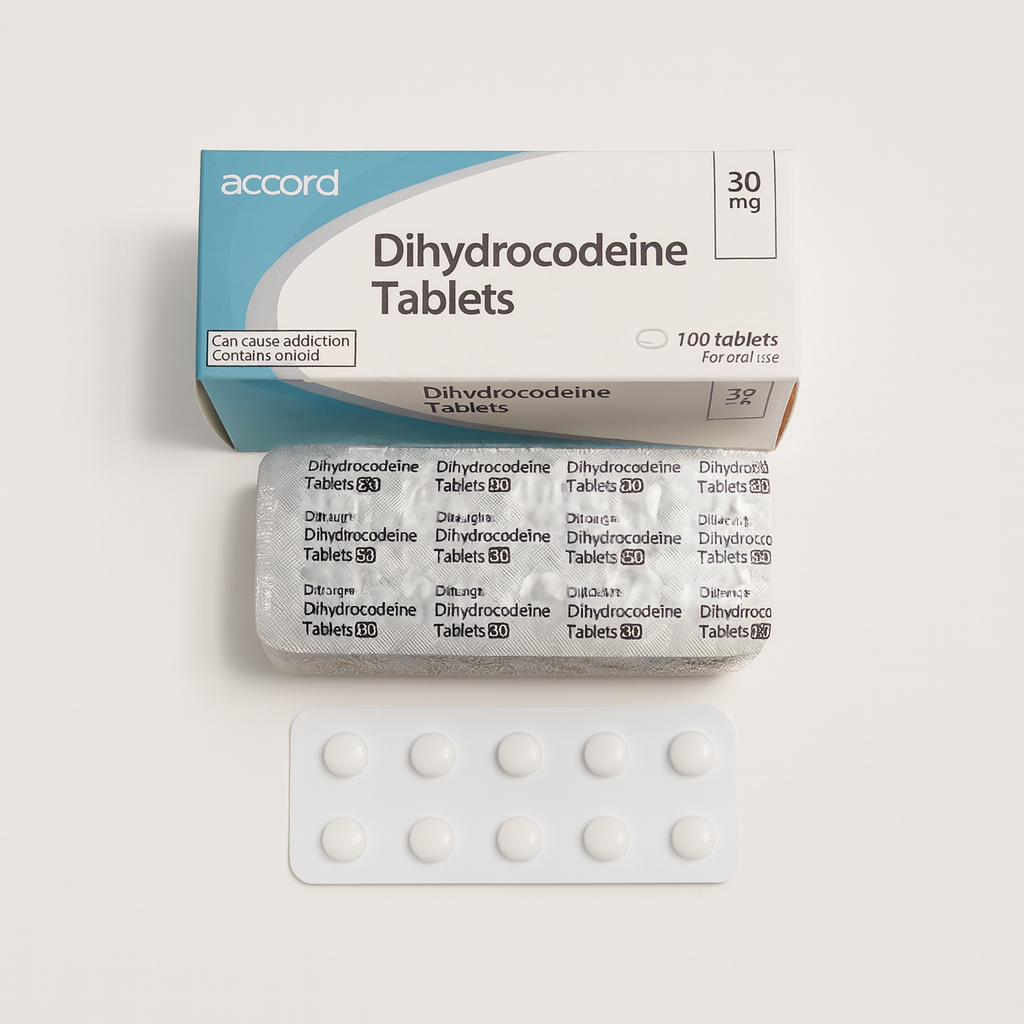
Dihydrocodeine 30mg Tablets: Uses, Dosage, Side Effects & Safety Guide
Living with moderate to severe pain can affect every part of your daily life. Whether it’s recovery after surgery, a long-term health condition, or an injury, finding effective pain relief is often a priority. That’s where dihydrocodeine 30mg tablets may be prescribed by healthcare professionals.
Dihydrocodeine belongs to a group of medicines known as opioid painkillers. It works by changing how pain signals are processed in the brain and nervous system, helping reduce discomfort and improve quality of life.
In this guide, you’ll learn how dihydrocodeine works, recommended usage, possible side effects, important safety considerations, and answers to common questions people ask before taking this medication.
Many patients taking opioid pain medication also experience disrupted sleep patterns due to discomfort. Exploring different sleep aid tablets may help support better rest when recommended by a healthcare professional.
What Are Dihydrocodeine 30mg Tablets?
Dihydrocodeine 30mg tablets are prescription pain-relief medicines used to treat moderate to severe pain when other painkillers may not provide sufficient relief.
Doctors commonly prescribe them for:
- Post-surgical pain
- Back pain
- Joint pain
- Injury-related pain
- Chronic pain conditions
- Nerve-related discomfort
How Does Dihydrocodeine Work?
Dihydrocodeine acts on opioid receptors in the brain and spinal cord. These receptors help reduce the perception of pain, allowing patients to manage symptoms more comfortably.
Unlike simple painkillers such as paracetamol, dihydrocodeine is generally used when stronger pain management is required.
Who Can Benefit From It?
Patients experiencing persistent pain that interferes with sleep, mobility, or daily activities may benefit from treatment under medical supervision.
Dihydrocodeine 30mg Tablets Dosage and Side Effects
One of the most searched topics online is dihydrocodeine 30mg tablets dosage and side effects.
Standard Dosage
The exact dose depends on:
- Age
- Medical history
- Pain severity
- Other medications being taken
Adults are commonly prescribed one tablet every few hours as directed by a healthcare professional.Long-term pain can sometimes affect emotional well-being, making it important to understand common anxiety symptoms and treatment options if stress or worry becomes difficult to manage.
Important Dosage Tips
- Always follow your prescribed dose.
- Never exceed the recommended amount.
- Avoid doubling doses if one is missed.
- Swallow tablets with water.
Common Side Effects
Some people may experience:
- Drowsiness
- Dizziness
- Constipation
- Dry mouth
- Nausea
- Headache
Serious Side Effects
Seek medical attention immediately if you experience:
- Breathing difficulties
- Severe allergic reactions
- Confusion
- Extreme sleepiness
- Fainting
Most side effects improve as the body adjusts, but persistent symptoms should be discussed with a healthcare professional.
How Long Does Dihydrocodeine 30mg Stay in Your System?
Many users ask, how long does dihydrocodeine 30mg stay in your system?
The answer varies depending on:
- Metabolism
- Age
- Body weight
- Liver function
- Dosage frequency
For most people, the medication begins working within an hour and remains active for several hours.
However, traces may remain detectable longer in bodily systems even after pain-relieving effects have worn off.
Factors That Influence Elimination
Age
Older adults often process medicines more slowly.
Liver Function
Since the liver helps metabolize many medications, reduced liver function may prolong elimination.
Frequency of Use
Regular users may retain traces longer than occasional users.
Because every individual is different, exact timelines can vary significantly.
Can You Take Dihydrocodeine 30mg With Paracetamol?
Another common question is: can you take dihydrocodeine 30mg with paracetamol?
In many cases, healthcare professionals may recommend combining different types of pain relief because they work through different mechanisms.
Potential Benefits
Combining medications may:
- Improve pain control
- Reduce discomfort more effectively
- Help manage post-operative pain
Important Precautions
Never combine medications without professional guidance.
Always check:
- Existing prescriptions
- Product labels
- Medical advice from your doctor or pharmacist
Taking multiple pain-relief medicines incorrectly may increase the risk of side effects.
Dihydrocodeine 30mg PIL: Understanding Patient Information Leaflets
Many patients search for dihydrocodeine 30mg PIL before starting treatment.
A Patient Information Leaflet (PIL) provides important details regarding:
- Proper usage
- Storage instructions
- Safety warnings
- Drug interactions
- Possible side effects
Why Reading the PIL Matters
The leaflet helps patients:
- Understand correct dosing.
- Recognize warning signs.
- Learn when to seek medical help.
- Reduce medication errors.
Even if you’ve taken similar medicines before, reading the current leaflet remains important.
Codeine vs Dihydrocodeine: What’s the Difference?
The topic codeine vs dihydrocodeine often causes confusion among patients.
Both medicines belong to the opioid family and are used for pain management.
Similarities
Both can:
- Relieve moderate pain
- Cause drowsiness
- Lead to dependence if misused
- Require careful use
Differences
While they are closely related, healthcare professionals may choose one over the other based on:
- Individual patient needs
- Pain severity
- Medical history
- Previous treatment response
Which Is Better?
There is no universal answer.
The most suitable option depends on the patient’s specific condition and should always be determined by a healthcare professional.
Dihydrocodeine Withdrawal Symptoms and Dependence Risks
Like other opioid medications, prolonged use may lead to physical dependence.
This does not necessarily mean addiction, but the body can become accustomed to the medicine.
Common Dihydrocodeine Withdrawal Symptoms
Potential symptoms include:
- Anxiety
- Restlessness
- Sweating
- Difficulty sleeping
- Irritability
- Muscle aches
- Flu-like feelings
How to Reduce Withdrawal Risk
- Never stop suddenly without advice.
- Follow prescribed instructions carefully.
- Discuss dose reductions with your healthcare provider.
- Attend follow-up appointments when recommended.
Gradual reduction is often safer than abrupt discontinuation.
Safety Tips for Taking Dihydrocodeine 30mg Tablets
To maximize benefits and reduce risks, follow these important safety practices.
Avoid Alcohol
Alcohol may increase drowsiness and other side effects.
Be Careful When Driving
Until you know how the medicine affects you, avoid operating vehicles or machinery.
Store Securely
Keep tablets:
- Out of reach of children
- In original packaging
- Away from excessive heat and moisture
Inform Your Doctor About Other Medicines
Certain medications may interact with dihydrocodeine, increasing risks or affecting effectiveness.
Frequently Asked Questions
1. What are dihydrocodeine 30mg tablets used for?
They are primarily prescribed to manage moderate to severe pain when stronger pain relief is required.
2. How quickly does dihydrocodeine start working?
Many people notice pain relief within about an hour, although individual experiences vary.
3. Can I take dihydrocodeine every day?
Only if prescribed by a qualified healthcare professional and according to medical instructions.
4. Is dihydrocodeine stronger than paracetamol?
Yes. Dihydrocodeine is an opioid pain medication and is generally considered stronger than standard paracetamol.
5. Can dihydrocodeine make you sleepy?
Yes. Drowsiness is one of the most commonly reported side effects.
6. What should I do if I miss a dose?
Follow the instructions provided by your healthcare professional or medication leaflet. Never double your next dose.
7. Can I stop taking dihydrocodeine suddenly?
Long-term users should not stop abruptly without medical advice due to potential withdrawal symptoms.
8. Is dihydrocodeine addictive?
It has the potential to cause dependence if used for extended periods or not taken as directed.
Conclusion
Dihydrocodeine 30mg tablets can provide effective relief for moderate to severe pain when used responsibly and under proper medical supervision. Understanding correct dosage, possible side effects, withdrawal risks, and medication interactions can help patients use this treatment more safely.If pain is interfering with your ability to rest at night, a healthcare provider may discuss suitable prescription sleep medication options alongside your overall treatment plan
Key takeaways:
- Follow prescribed dosing instructions carefully.
- Be aware of common and serious side effects.
- Avoid sudden discontinuation after long-term use.
- Discuss any concerns with a healthcare professional.
- Always read the patient information leaflet before use.
Making informed decisions about pain management is one of the best ways to support both short-term comfort and long-term health. Dihydrocodeine is an opioid painkiller used to treat moderate to severe pain and should always be taken according to professional medical guidance. You can learn more about dihydrocodeine from trusted healthcare resources.

Reviews
There are no reviews yet.