
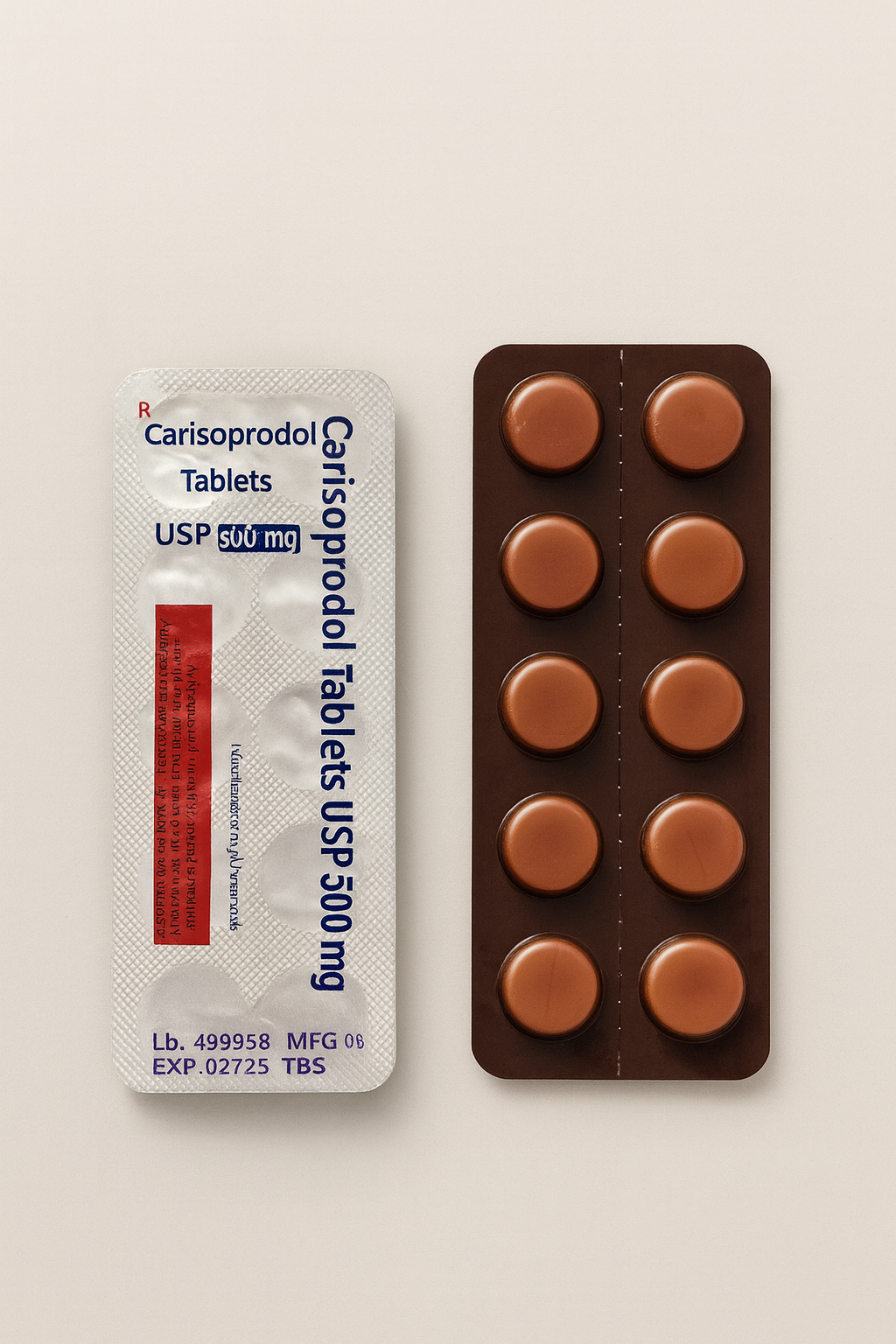
Pain O Soma The Complete Guide to This Muscle Relaxer
If your doctor mentioned Pain O Soma, you’re probably wondering what it actually does — and whether it’s the right choice for you.
Pain O Soma is a widely prescribed soma muscle relaxer containing Carisoprodol 500mg. It works fast, it’s effective for short-term muscle pain, and millions of people in the USA rely on it every year to get back on their feet.
But like any soma prescription pill, there’s a lot to understand before you start taking it. This guide covers everything — how it works, dosage, side effects, and the safest way to use it.
Related reading you might find helpful:
What Is Pain O Soma?
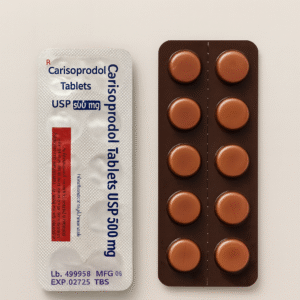
Pain O Soma is a brand name for Carisoprodol Tablets USP 500mg — a centrally acting skeletal muscle relaxant.
It’s manufactured by HAB Pharmaceuticals and prescribed for short-term relief of acute, painful musculoskeletal conditions. Think sprains, strains, lower back injuries, and muscle spasms that make it hard to move normally.
It’s not a painkiller in the traditional sense. Pain O Soma doesn’t target pain directly — instead, it interrupts the nerve signals traveling between your muscles and your brain. Less signal, less spasm, less pain.Anxiety Symptoms and How They Affect Muscle Tension
How It’s Different From Other Muscle Relaxers
Most people have heard of Flexeril (cyclobenzaprine) or Robaxin (methocarbamol). So how does Pain O Soma stack up?
- Faster onset — Pain O Soma typically kicks in within 30 minutes
- Stronger effect — The 500mg dose is for moderate to severe muscle pain
- Short-term use only — Recommended for no more than 2–3 weeks
It’s a soma relaxant that’s been around since the 1950s and is still one of the most commonly prescribed options for acute muscle conditions in the USA.
What Is Pain O Soma Used For?
This soma medication is prescribed for a range of musculoskeletal conditions, including:
- Acute lower back pain — one of the most common reasons people get prescribed it
- Muscle sprains and strains — sports injuries, lifting accidents, falls
- Muscle spasms — the kind that lock up your neck or shoulder
- Post-injury recovery — used alongside physical therapy and rest
- Fibromyalgia — sometimes prescribed to manage chronic muscle discomfort
It’s almost always used in combination with rest and physical therapy — not as a standalone treatment. Your doctor will typically recommend movement alongside the medication to speed up recovery.
What It’s NOT For
Pain O Soma is not for:
- Chronic pain conditions
- Long-term daily use
- Kids under 16 years old
- Headaches or general body aches
If you’re dealing with ongoing pain that’s lasted months, this isn’t the right tool. It’s designed for the acute, sharp phase of a muscle injury.
How Does Pain O Soma Work to Counteract Pain?
Here’s the science in plain English.
When you injure a muscle, your nervous system goes into overdrive — it keeps sending pain signals to your brain even when the actual tissue damage is minor. This creates a pain-spasm cycle that keeps your muscles tight and uncomfortable.
Pain O Soma breaks that cycle.
Carisoprodol works on your central nervous system to block polysynaptic neuron transmission — which basically means it reduces the overactive nerve firing between your spinal cord and brain. With fewer signals getting through, your muscles can finally relax.
This is why it’s so effective at helping people counteract pain quickly after a muscle injury.
Timeline: What to Expect
| Time | What Happens |
|---|---|
| 30 minutes | You start feeling the relaxing effect |
| 1–2 hours | Peak effect — significant muscle relaxation |
| 4–6 hours | Duration of relief per dose |
| 2–3 weeks | Maximum recommended course |
Pain O Soma Dosage Guide
Pain O Soma comes in two strengths: 350mg and 500mg. The 500mg version is the higher-strength option, typically prescribed when lower doses haven’t provided enough relief.
Standard Adult Dosage
- 350mg: Three times daily + once at bedtime
- 500mg: Two to three times daily, depending on pain severity
- Maximum daily dose: Do not exceed the amount your doctor prescribed
Always take it with a full glass of water. It can be taken with or without food — though if it upsets your stomach, try taking it after a meal.
What If You Miss a Dose?
Take it as soon as you remember — unless it’s almost time for your next dose. In that case, skip the missed one. Never double up to make up for a forgotten pill.
Who Should Be Extra Careful
- Kidney or liver conditions — your doctor may adjust the dose
- Age 65+ — older adults can be more sensitive to muscle relaxants
- First-time users — start with the lower dose if possible
Side Effects: What You Need to Know
Pain O Soma is effective, but it does come with some side effects, especially when you first start taking it.
Common Side Effects
- Drowsiness (very common — plan accordingly)
- Dizziness or lightheadedness
- Headache
- Dry mouth
- Upset stomach
Most of these ease up after the first few days as your body adjusts.
Serious Side Effects (Rare — but Important)
- Difficulty breathing
- Rapid heart rate
- Confusion or disorientation
- Seizures (in rare cases, especially with high doses)
If you experience any of the serious side effects, stop taking Pain O Soma and contact your doctor or go to an ER immediately.
The Drowsiness Factor
This is the big one. Pain O Soma causes significant drowsiness in most people. Don’t drive, operate heavy machinery, or make important decisions while taking it — at least until you know how your body responds.
Drug Interactions: What to Avoid
Pain O Soma interacts with several substances, and some of these combinations can be dangerous.
Avoid combining with:
- Alcohol — amplifies sedation significantly, increases overdose risk
- Opioids (codeine, oxycodone) — dangerous CNS depression
- Benzodiazepines (Xanax, Valium) — risk of respiratory depression
- Sleeping pills — compounded sedative effect
- Antihistamines — increased drowsiness
Tell your doctor about every medication you’re taking, including supplements. This isn’t optional — it’s genuinely important for your safety.
Is Pain O Soma a Controlled Substance?
Yes — Carisoprodol (the active ingredient in Pain O Soma) is a Schedule IV controlled substance in the USA.
This means it has a recognized potential for dependence if misused. That’s why it’s only available as a soma prescription pill — you can’t buy it over the counter.
The key rules to follow:
- Only take it as prescribed — don’t take more or more often than directed
- Don’t share it with anyone else, even if they have similar symptoms
- Don’t use it longer than 3 weeks without consulting your doctor
- Don’t stop abruptly after prolonged use — taper down with your doctor’s guidance
Physical dependence is rare when it’s used correctly for a short period. The risk goes up with longer use and higher doses.
Pain O Soma vs. Other Soma Medication Options
Wondering how Pain O Soma compares to similar drugs? Here’s a quick breakdown:
| Medication | Active Ingredient | Onset | Duration | Schedule |
|---|---|---|---|---|
| Pain O Soma 500mg | Carisoprodol | 30 min | 4–6 hrs | Schedule IV |
| Flexeril | Cyclobenzaprine | 1 hr | 12–24 hrs | Not scheduled |
| Robaxin | Methocarbamol | 30 min | 4–6 hrs | Not scheduled |
| Valium | Diazepam | 15–60 min | 6–12 hrs | Schedule IV |
Pain O Soma tends to be preferred for fast-acting, short-term relief where a strong effect is needed quickly. Flexeril is often chosen for longer-lasting, milder coverage throughout the day.
Frequently Asked Questions
What is Pain O Soma used for?
Pain O Soma is used to relieve acute musculoskeletal pain — such as back pain, muscle spasms, sprains, and strains. It’s a soma muscle relaxer that works by blocking nerve signals between the muscles and brain. It’s prescribed for short-term use, typically 2–3 weeks.
What is soma muscle relaxer exactly?
Soma is the brand name for carisoprodol, a centrally acting skeletal muscle relaxant. It reduces muscle spasm and discomfort by depressing nerve activity in the spinal cord and brain. Pain O Soma is a generic version of Soma containing 500mg of carisoprodol.
How quickly does Pain O Soma work?
Most people feel the effects within 30 minutes of taking Pain O Soma. Peak relaxation usually occurs around 1–2 hours after the dose. Each dose lasts approximately 4–6 hours.
Can I take Pain O Soma with ibuprofen?
Yes, Pain O Soma and ibuprofen are generally safe to take together and are often prescribed in combination. Ibuprofen handles the inflammation while Pain O Soma addresses the muscle spasm. Always confirm with your doctor before combining medications.
Is Pain O Soma habit-forming?
It can be, which is why it’s a Schedule IV controlled substance. When used as prescribed for 2–3 weeks, the risk of dependence is low. Misuse — taking more than prescribed or using it longer than recommended — significantly increases the risk.
What happens if I take too much Pain O Soma?
Overdose symptoms include extreme drowsiness, confusion, shallow breathing, fainting, or loss of consciousness. This is a medical emergency. Call 911 or poison control (1-800-222-1222) immediately.
Can I drink alcohol while taking Pain O Soma?
No. Alcohol and Pain O Soma both depress the central nervous system. Combining them dramatically increases sedation and the risk of dangerous respiratory depression. Avoid alcohol completely while taking this medication.
How should I store Pain O Soma?
Store at room temperature (59–86°F), away from moisture, heat, and direct sunlight. Keep it out of reach of children and pets. Don’t flush unused medication — use a drug take-back program instead.
Conclusion
Pain O Soma is a proven, effective soma relaxant for people dealing with acute muscle pain, spasms, and injuries. When used correctly and for the right duration, it can be a genuine game-changer — helping you get out of that pain-spasm cycle and back to normal life faster.For detailed clinical information, refer to the official drug profile on Carisoprodol (Soma) – Drug Information published by MedlinePlus (U.S. National Library of Medicine).
Key takeaways:
- Pain O Soma (Carisoprodol 500mg) blocks pain signals between muscles and the brain
- It works within 30 minutes and lasts 4–6 hours per dose
- Only use it for 2–3 weeks maximum as prescribed
- Avoid alcohol, opioids, and benzodiazepines while taking it
- It’s a Schedule IV controlled substance — use it responsibly
If you’re dealing with a muscle injury and want to understand your options better, talk to your doctor about whether Pain O Soma is the right fit for your situation.
Related reading you might find helpful
Reviews
There are no reviews yet.