
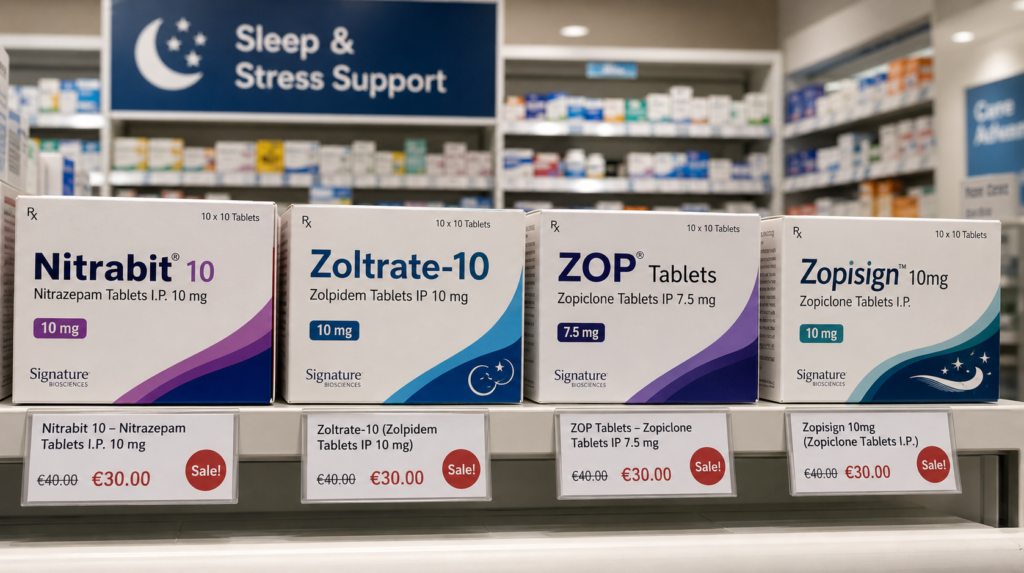
Sleep Aid Tablets UK A Comprehensive Guide to Prescription and Over-the-Counter Sleeping Pills in Britain
Sleep disorders have become one of the fastest-growing public health concerns in the United Kingdom. Millions of adults struggle with insomnia, disrupted sleep cycles, anxiety-related sleep problems, and chronic sleep deprivation caused by modern lifestyles, mental health pressures, shift work, and medical conditions. According to data from the UK’s National Health Service (NHS), poor sleep is linked to reduced cognitive performance, cardiovascular disease, obesity, weakened immunity, depression, and increased workplace accidents.
As a result, the demand for sleep aid tablets in the UK has risen dramatically over the past decade. Consumers now have access to a broad spectrum of sleep medications ranging from short-term prescription hypnotics to over-the-counter antihistamines, herbal remedies, melatonin supplements, and online pharmacy sleep solutions. Yet despite their popularity, sleep aid tablets remain controversial among healthcare professionals, regulators, and researchers because of concerns around dependency, misuse, side effects, and long-term effectiveness.
This guide explores the UK sleep aid landscape in detail. It examines how sleeping tablets work, the most common medications available in Britain, NHS prescribing practices, legal regulations, safety concerns, scientific research, and practical advice for choosing the right option. It also analyzes competing medical viewpoints surrounding sleep medications and provides evidence-based recommendations for safer sleep management.
Many people in Britain now search for effective sleep aid tablets UK solutions that help manage insomnia and improve sleep quality. Patients often compare different sleeping tablets available online before choosing the right option.
Understanding Sleep Problems in the UK
The Scale of Sleep Disorders in Britain
Sleep problems affect a substantial proportion of the UK population. Surveys conducted by organizations such as the Sleep Charity and NHS England consistently show that insomnia symptoms affect between one-third and one-half of British adults at some stage in life.
The most common sleep disorders include:
- Acute insomnia
- Chronic insomnia
- Sleep apnea
- Restless leg syndrome
- Circadian rhythm disorders
- Anxiety-related sleep disruption
- Depression-linked sleep disturbances
The NHS defines insomnia as persistent difficulty falling asleep, staying asleep, or waking too early despite having adequate opportunity to sleep.
Common symptoms include:
- Daytime fatigue
- Poor concentration
- Irritability
- Mood instability
- Reduced productivity
- Memory impairment
Sleep deprivation also creates significant economic consequences. Research from RAND Europe estimated that insufficient sleep costs the UK economy billions annually due to absenteeism, reduced productivity, and healthcare burdens.
Historical Development of Sleeping Tablets in the UK
Early Sedatives and Barbiturates
The earliest pharmaceutical sleep aids used in Britain during the 19th and early 20th centuries included bromides and barbiturates. While effective for sedation, these drugs carried serious overdose risks and high addiction potential.
By the mid-20th century, barbiturates were gradually replaced by safer alternatives because of increasing evidence linking them to accidental deaths and severe dependency.
The Rise of Benzodiazepines
During the 1960s and 1970s, benzodiazepines became widely prescribed throughout the UK. Medications such as diazepam and temazepam were considered safer than barbiturates and rapidly gained popularity.
However, long-term prescribing created new concerns:
- Physical dependence
- Withdrawal symptoms
- Cognitive impairment
- Tolerance development
- Increased fall risk in elderly patients
By the late 1980s, UK medical authorities began tightening prescribing guidance.
Modern “Z-Drugs”
Today, non-benzodiazepine hypnotics known as “Z-drugs” dominate prescription sleep treatment in the UK. These include:
- Zopiclone
- Zolpidem
- Zaleplon
These medications were developed to provide shorter acting sedation with fewer residual effects. Nevertheless, modern research still raises concerns regarding dependency and misuse.
How Sleep Aid Tablets Work
Sleep medications influence neurotransmitters in the brain responsible for relaxation, sedation, and sleep regulation.
GABA Modulation
Most prescription sleeping tablets work by enhancing gamma-aminobutyric acid (GABA), a neurotransmitter that slows nervous system activity.
This produces:
- Relaxation
- Reduced anxiety
- Sedation
- Faster sleep onset
Histamine Suppression
Many over-the-counter sleep aids in the UK rely on sedating antihistamines such as diphenhydramine or promethazine.
Histamine promotes wakefulness. Blocking histamine receptors causes drowsiness.
Melatonin Regulation
Melatonin-based sleep aids regulate circadian rhythm and body clock timing. These are especially useful for:
- Jet lag
- Shift work
- Delayed sleep phase syndrome
- Older adults with reduced melatonin production
Prescription Sleeping Tablets in the UK
Zopiclone
Zopiclone is one of the most commonly prescribed sleeping tablets in Britain.
Uses
Doctors prescribe it for:
- Short-term insomnia
- Difficulty falling asleep
- Night waking
Mechanism
Zopiclone acts on GABA receptors similarly to benzodiazepines but has a distinct chemical structure.
Benefits
- Rapid onset
- Effective sedation
- Short duration
- Reduced next-day grogginess compared with older drugs
Risks
Side effects may include:
- Metallic taste
- Dizziness
- Dependency
- Memory issues
- Sleepwalking
- Rebound insomnia
The NHS generally recommends limiting use to 2–4 weeks.
Zolpidem
Zolpidem is another widely prescribed hypnotic medication.
Advantages
- Short half-life
- Fast acting
- Lower daytime sedation risk
Concerns
Regulators have issued warnings about:
- Sleep-driving incidents
- Hallucinations
- Behavioral changes
- Addiction potential
Women and elderly patients may experience stronger residual effects due to slower drug clearance.
Temazepam
Temazepam remains available in the UK despite tighter regulation.
Clinical Role
It is mainly reserved for:
- Severe insomnia
- Hospital settings
- Acute crisis management
Risks
Temazepam carries higher dependency risks than many newer medications.
Withdrawal symptoms may include:
- Anxiety
- Tremors
- Panic attacks
- Rebound insomnia
Because of misuse potential, UK doctors prescribe it cautiously.
Melatonin (Circadin)
Circadin is licensed in the UK primarily for adults over 55 with insomnia.
Why It Matters
Unlike sedative-hypnotics, melatonin works with natural circadian signaling rather than directly depressing the nervous system.
Benefits
- Lower addiction risk
- Better tolerated in older adults
- Useful for circadian rhythm disorders
Limitations
Melatonin is less powerful than prescription hypnotics and may not help severe insomnia.
Over-the-Counter Sleep Aid Tablets in the UK
Nytol
Nytol is among the best-known non-prescription sleep aids in Britain.
Products may contain:
- Diphenhydramine
- Herbal blends
- Valerian root
Advantages
- Easy accessibility
- Useful for temporary sleeplessness
- No prescription required
Drawbacks
Potential issues include:
- Daytime drowsiness
- Dry mouth
- Tolerance
- Reduced effectiveness with frequent use
Sominex
Sominex contains promethazine, a sedating antihistamine.
Key Features
- Strong sedative effects
- Useful for occasional insomnia
Safety Concerns
Promethazine may impair coordination and reaction time the following day.
Herbal Sleep Remedies
Popular herbal ingredients include:
- Valerian root
- Passionflower
- Lavender
- Chamomile
Scientific evidence remains mixed.
Some users report improvement in:
- Relaxation
- Anxiety reduction
- Sleep quality
However, clinical trials often produce inconsistent results.
NHS Guidance on Sleeping Tablets
Short-Term Use Only
The NHS strongly discourages long-term reliance on sleeping pills.
Official guidance emphasizes:
- Lowest effective dose
- Shortest possible duration
- Non-drug interventions first
Cognitive Behavioural Therapy for Insomnia (CBT-I)
The NHS increasingly recommends CBT-I as the preferred first-line treatment for chronic insomnia.
CBT-I targets:
- Negative sleep beliefs
- Poor sleep habits
- Anxiety around bedtime
Research suggests CBT-I may provide longer-lasting improvements than medication alone.
The Debate Around Sleeping Tablets
Supporters of Prescription Sleep Aids
Many clinicians argue sleeping tablets remain essential for acute insomnia.
Their Main Arguments
- Severe sleep deprivation can become medically dangerous.
- Short-term medication may stabilize patients during crises.
- Improved sleep can reduce depression and anxiety symptoms.
- Temporary pharmacological support may prevent mental health deterioration.
Hospital doctors often emphasize that untreated insomnia itself carries risks.
Critics of Long-Term Sleep Medication
Other experts warn that widespread sleeping pill use creates dependency problems.
Common Concerns
- Reduced natural sleep quality
- Tolerance development
- Cognitive decline
- Increased falls in elderly patients
- Impaired driving
- Addiction
Some researchers argue sleeping tablets often sedate rather than reproduce natural restorative sleep.
Scientific Research on Sleep Medications
Effectiveness Studies
Meta-analyses generally show prescription hypnotics can:
- Reduce sleep onset time
- Increase total sleep duration
- Improve short-term sleep satisfaction
However, benefits often diminish over time due to tolerance.
Dependency Research
Studies published in medical journals such as The BMJ and The Lancet have highlighted significant dependence risks associated with benzodiazepines and Z-drugs.
Long-term users sometimes require medically supervised withdrawal.
Elderly Patient Risks
Older adults face elevated risks from sedatives because of:
- Slower metabolism
- Increased confusion
- Higher fall rates
- Drug interactions
UK prescribing guidelines therefore recommend extra caution for elderly populations.
Mental Health and Sleep Aid Tablets
Anxiety and Insomnia
Insomnia frequently overlaps with:
- Generalized anxiety disorder
- PTSD
- Panic disorder
- Depression
In such cases, sleeping tablets may address symptoms without treating root causes.
Antidepressants as Sleep Aids
Certain antidepressants are sometimes prescribed off-label for sleep:
- Trazodone
- Mirtazapine
- Amitriptyline
These may benefit patients with combined depression and insomnia.
Online Pharmacies and Sleep Tablets in the UK
The rise of digital healthcare has transformed sleep medication access.
Benefits of Online Pharmacies
Online services may provide:
- Convenience
- Discreet consultations
- Faster delivery
- Improved access for remote patients
Risks
However, regulators warn against unlicensed websites selling counterfeit medicines.
Consumers should verify registration with:
- General Pharmaceutical Council (GPhC)
- Medicines and Healthcare products Regulatory Agency (MHRA)
UK Laws and Regulation of Sleeping Tablets
Controlled Drug Status
Certain sleep medications are classified as controlled substances under UK law.
This includes:
- Temazepam
- Some benzodiazepines
Illegal possession without prescription may lead to criminal penalties.
MHRA Oversight
Medicines and Healthcare products Regulatory Agency monitors medication safety and adverse event reporting.
The MHRA issues warnings regarding:
- Misuse
- Dangerous interactions
- Counterfeit medicines
Common Side Effects of Sleep Aid Tablets
Physical Side Effects
Users may experience:
- Drowsiness
- Headaches
- Nausea
- Dry mouth
- Muscle weakness
- Poor coordination
Cognitive Side Effects
Some sleeping tablets impair:
- Memory
- Judgment
- Concentration
This becomes particularly concerning for drivers and machinery operators.
Parasomnias
Rare but serious behaviors linked to Z-drugs include:
- Sleepwalking
- Sleep eating
- Sleep driving
Patients may have no memory of events afterward.
Sleep Aid Tablets and Addiction
How Dependency Develops
Repeated sedative exposure alters brain chemistry over time.
Users may develop:
- Psychological reliance
- Physical dependence
- Increased dosage needs
Withdrawal Symptoms
Stopping suddenly may trigger:
- Anxiety
- Sweating
- Tremors
- Panic
- Severe rebound insomnia
Medical supervision is often recommended for discontinuation.
Natural Alternatives to Sleeping Pills
Sleep Hygiene
Experts consistently emphasize foundational sleep practices.
Recommended Habits
- Fixed sleep schedule
- Reduced caffeine intake
- Limiting screen exposure
- Dark sleeping environment
- Exercise
- Reduced alcohol consumption
Meditation and Relaxation Techniques
Mindfulness and breathing exercises show measurable benefits in some insomnia studies.
CBT-I Success Rates
CBT-I is increasingly viewed as one of the most sustainable long-term insomnia treatments.
Research suggests benefits may persist after therapy ends.
Special Populations and Sleep Medications
Elderly Patients
Older adults face heightened risks from sedatives.
Doctors often prefer:
- Lower doses
- Melatonin
- Non-drug interventions
Pregnant Women
Many sleeping tablets are avoided during pregnancy because of fetal safety concerns.
Pregnant patients should consult qualified healthcare professionals before taking any sleep medication.
Teenagers and Young Adults
Prescription hypnotics are rarely first-line treatment for adolescents.
Behavioral interventions are generally preferred.
Alcohol and Sleeping Tablets
Combining alcohol with sedatives can be dangerous.
Potential consequences include:
- Respiratory depression
- Severe sedation
- Blackouts
- Fatal overdose
Healthcare professionals strongly advise against mixing alcohol with sleeping pills.
Real-World Case Studies
Case Study 1: Short-Term Crisis Management
A middle-aged NHS worker experiencing acute stress during the COVID-19 pandemic developed severe insomnia.
After short-term use of zopiclone combined with therapy and sleep hygiene measures, sleep patterns improved within several weeks.
This illustrates how temporary medication can support recovery when carefully supervised.
Case Study 2: Long-Term Dependency
A retired patient prescribed benzodiazepines for insomnia during the 1990s struggled with dependency for decades.
Withdrawal required gradual tapering under specialist supervision.
This case reflects broader concerns surrounding historical overprescribing.
The Economics of Sleep Medication in the UK
NHS Prescribing Costs
The NHS spends millions annually on hypnotic medications and insomnia-related care.
Productivity Impact
Poor sleep contributes to:
- Workplace absenteeism
- Reduced concentration
- Increased accident rates
Economists increasingly recognize sleep as a major public health and productivity issue.
Emerging Sleep Treatments
Orexin Receptor Antagonists
Newer drugs targeting orexin pathways may offer alternative mechanisms for treating insomnia.
These medications aim to suppress wakefulness rather than induce heavy sedation.
Digital Therapeutics
Sleep-focused mobile apps and digital CBT programs are expanding rapidly across the UK healthcare market.
Some NHS trusts now integrate digital sleep therapy platforms.
Public Health Perspectives
Overmedicalization Concerns
Some experts argue society increasingly medicalizes normal sleep fluctuations.
Stress, technology, and lifestyle habits may be larger contributors than biological disease alone.
Counterargument
Others contend chronic insomnia is a legitimate medical condition deserving effective pharmaceutical treatment.
Both perspectives influence UK healthcare policy discussions.
How to Choose the Right Sleep Aid in the UK
Questions Consumers Should Ask
Before using sleeping tablets, individuals should consider:
- Is the insomnia temporary or chronic?
- Are stress or mental health factors involved?
- Could lifestyle changes improve sleep?
- What are the dependency risks?
- Is medical supervision necessary?
When to Seek Professional Help
Medical evaluation is recommended if insomnia:
- Persists longer than several weeks
- Causes severe daytime impairment
- Occurs alongside depression or anxiety
- Includes breathing problems or sleep apnea symptoms
Reliable UK Resources for Sleep Information
Useful organizations include:
- National Health Service
- Sleep Charity
- British Sleep Society
- Mind
These organizations provide evidence-based guidance regarding insomnia and sleep health.
Conclusion
Sleep aid tablets remain one of the most debated areas of modern medicine in the United Kingdom. On one side, they provide rapid relief for millions struggling with insomnia, anxiety-related sleeplessness, and acute stress. For some patients, short-term pharmacological support can dramatically improve functioning, mental health, and quality of life. On the other side, concerns surrounding dependency, cognitive impairment, misuse, and long-term effectiveness continue to shape NHS prescribing policy and medical debate.
The UK approach increasingly emphasizes balance. Prescription sleeping tablets such as zopiclone, zolpidem, and temazepam remain important clinical tools, but they are generally recommended for short-term use under medical supervision. Simultaneously, non-pharmaceutical approaches including CBT-I, sleep hygiene, mental health treatment, and circadian rhythm management are gaining stronger institutional support because of their sustainability and lower risk profiles.
Scientific evidence suggests there is no universal solution for insomnia. The most effective treatment often depends on the underlying cause, patient history, age, mental health status, and lifestyle factors. Temporary insomnia triggered by acute stress may respond well to short-term medication, while chronic insomnia frequently requires behavioral and psychological interventions.
Consumers in the UK should approach sleep medications with informed caution rather than fear or blind trust. Understanding how these drugs work, their benefits, their limitations, and their risks is essential for making safe decisions. Consulting qualified healthcare professionals, avoiding unregulated online sellers, and prioritizing evidence-based care remain critical steps.
As sleep science continues evolving, the future of insomnia treatment may shift toward safer targeted therapies, digital therapeutics, and more personalized medicine. Yet one principle remains constant: healthy sleep is foundational to physical health, emotional resilience, productivity, and overall wellbeing.
Improve Your Sleep Routine with Trusted Sleep Health Information