
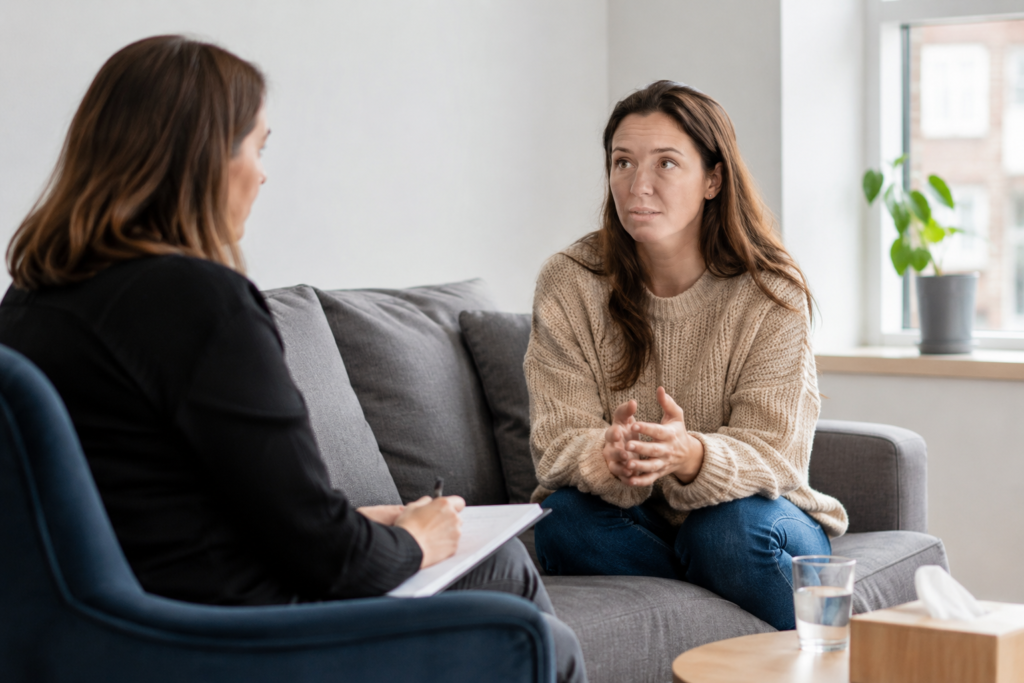
Anxiety is one of the most common mental health conditions in the UK. Understanding anxiety symptoms and treatment is important for anyone struggling with stress, fear, or constant worry in daily life. Many people experience stress, fear, nervousness, or panic at different stages of life. While occasional anxiety is normal, ongoing anxiety that affects sleep, work, relationships, or daily activities may need proper treatment and support.
This guide explains anxiety symptoms and treatment in simple English. It covers the common causes, warning signs, treatment options, self-help methods, and practical ways to manage anxiety naturally and medically. Whether someone is dealing with mild anxiety or severe panic attacks, understanding the condition is the first step toward recovery.
What Is Anxiety?
Anxiety is the body’s natural response to stress or danger. It can create feelings of fear, worry, tension, or uneasiness. In small amounts, anxiety may help people stay alert and focused. However, when anxiety becomes constant, intense, or difficult to control, it can affect physical health, emotional wellbeing, and quality of life.
Anxiety disorders are more than temporary stress. They can continue for months and interfere with normal routines. Some people experience anxiety every day without understanding the real cause.
Common Anxiety Symptoms
Anxiety symptoms can affect both the mind and body. They may appear suddenly or develop slowly over time.
Emotional Symptoms of Anxiety
People with anxiety often experience excessive worry and fear that feels difficult to control. Common emotional symptoms include:
- Constant nervousness or tension
- Feeling restless or on edge
- Irritability and mood changes
- Fear of losing control
- Difficulty concentrating
- Feeling overwhelmed by simple tasks
- Trouble relaxing
Some individuals also experience panic attacks, which are sudden episodes of intense fear that may happen without warning.
Physical Symptoms of Anxiety
Anxiety can also cause noticeable physical symptoms. These symptoms are often mistaken for other health conditions.
Common physical signs include:
- Fast heartbeat
- Chest tightness
- Sweating
- Shaking or trembling
- Shortness of breath
- Dizziness
- Nausea
- Headaches
- Muscle tension
- Fatigue
- Sleep problems
Many people in the UK search for help because physical symptoms become difficult to manage in daily life.
Different Types of Anxiety Disorders
Anxiety can appear in several forms. Understanding the different types helps people choose the right treatment.
Generalised Anxiety Disorder (GAD)
Generalised Anxiety Disorder involves ongoing and excessive worry about everyday situations such as work, finances, health, or family.
Panic Disorder
Panic disorder causes repeated panic attacks with symptoms like rapid heartbeat, sweating, and fear of danger.
Social Anxiety Disorder
This condition creates extreme fear in social situations. People may avoid conversations, meetings, or public places due to fear of embarrassment.
Health Anxiety
Health anxiety causes constant worry about illness, even when medical tests show no serious condition.
Phobias
Phobias involve intense fear of specific objects, situations, or activities such as flying, heights, or crowded places.
Causes of Anxiety
There is no single cause of anxiety. Usually, several factors work together.
Stressful Life Events
Major life changes can trigger anxiety symptoms. Common triggers include:
- Financial pressure
- Relationship problems
- Work stress
- Loss of a loved one
- Health concerns
- Trauma or abuse
Genetics and Family History
Anxiety disorders sometimes run in families. A person may have a higher risk if close relatives also experience anxiety.
Brain Chemistry
Changes in brain chemicals linked to mood and stress responses may contribute to anxiety disorders.
Lifestyle Factors
Poor sleep, alcohol misuse, drug use, lack of exercise, and high caffeine intake can worsen anxiety symptoms.
How Anxiety Affects Daily Life
Untreated anxiety can affect every area of life. Many people struggle with work performance, relationships, sleep quality, and social interaction.
Some individuals avoid leaving home, attending events, or speaking to others. Severe anxiety may also lead to depression, low confidence, and emotional exhaustion.
Recognising symptoms early and seeking treatment can improve long-term mental health outcomes.
Anxiety Treatment Options
Many people search for anxiety symptoms and treatment when their stress starts affecting sleep, work, and daily routine.In some cases, doctors may prescribe medication such as anxiety relief tablets to help manage symptoms under proper guidance.
Cognitive Behavioural Therapy (CBT)
CBT is one of the most effective anxiety treatments available in the UK. It helps people identify negative thinking patterns and replace them with healthier responses.
CBT may help individuals:
- Reduce panic attacks
- Improve confidence
- Manage fear and worry
- Build coping strategies
Therapy sessions can take place face-to-face or online.
Medication for Anxiety
Doctors sometimes prescribe medication when anxiety symptoms become severe or long-lasting.
Common medications include antidepressants and anti-anxiety medicines. These medications may help reduce panic, improve sleep, and stabilise mood.
Medication should always be taken under professional medical guidance. Treatment plans vary depending on symptoms, age, health conditions, and lifestyle.
Lifestyle Changes
Healthy lifestyle habits can make a significant difference in anxiety management.
Helpful habits include:
Regular Exercise
Physical activity releases chemicals that improve mood and reduce stress naturally.
Better Sleep Routine
Good sleep supports emotional health. Going to bed at the same time daily may help regulate stress levels.
Healthy Diet
Balanced nutrition supports brain function and energy levels. Reducing processed foods and caffeine may help lower anxiety symptoms.
Limiting Alcohol and Nicotine
Alcohol and smoking can temporarily hide anxiety but often make symptoms worse later.
Natural Ways to Reduce Anxiety
Many beginners look for natural anxiety relief before starting medical treatment. While natural methods may not replace professional care, they can support overall wellbeing.
Deep Breathing Exercises
Slow breathing techniques help calm the nervous system during stressful moments.
Mindfulness and Meditation
Mindfulness helps people focus on the present moment instead of worrying about the future.
Journaling
Writing thoughts and emotions can help identify anxiety triggers and reduce mental pressure.
Spending Time Outdoors
Nature walks and fresh air may improve mood and reduce stress hormones.
Reducing Screen Time
Constant exposure to news and social media can increase worry and emotional tension.
When to Seek Professional Help
Many people delay treatment because they think anxiety will disappear on its own. However, professional help may be needed if symptoms:
- Last for several weeks or months
- Affect sleep or work
- Cause panic attacks
- Interfere with relationships
- Lead to avoidance behaviour
- Create feelings of hopelessness
Mental health support services in the UK are widely available through GPs, therapists, counselling centres, and online treatment platforms.
Anxiety in Young Adults and Teenagers
Anxiety is becoming increasingly common among young people due to academic pressure, social expectations, financial stress, and digital overload.
Teenagers may show symptoms differently than adults. Warning signs can include:
- Irritability
- Isolation
- Poor concentration
- Sleep changes
- School avoidance
- Low motivation
Early support and open communication can help young people manage symptoms more effectively.
Tips for Managing Anxiety Every Day
Small daily habits often create long-term improvements in mental health.
Create a Routine
A structured daily routine can reduce uncertainty and improve emotional stability.
Stay Connected
Talking with supportive friends or family members may help reduce feelings of isolation.
Set Realistic Goals
Breaking tasks into smaller steps can make challenges feel more manageable.
Avoid Overthinking
Learning to focus on facts rather than fearful assumptions may reduce anxiety levels.
Practice Self-Care
Taking breaks, resting properly, and doing enjoyable activities can support emotional balance.
FAQs About Anxiety Symptoms and Treatment
What are anxiety symptoms and treatment?
Anxiety symptoms and treatment include understanding the signs of anxiety and using therapy, lifestyle changes, or medication to manage it effectively.
Can anxiety cause physical symptoms?
Yes. Anxiety can create physical symptoms such as chest tightness, dizziness, sweating, headaches, stomach discomfort, and fatigue.
Is anxiety treatable?
Yes. Anxiety is highly treatable through therapy, lifestyle changes, stress management techniques, and medication when necessary.
How long does anxiety treatment take?
Treatment time varies from person to person. Some individuals improve within weeks, while others may need ongoing support for several months.
Can lifestyle changes help anxiety?
Healthy sleep, exercise, mindfulness, reduced caffeine intake, and balanced nutrition may help reduce anxiety symptoms naturally.
Why is anxiety symptoms and treatment important?
Anxiety symptoms and treatment is important because early understanding helps people control stress before it becomes severe.
Conclusion
Learning about anxiety symptoms and treatment early can help people manage stress better and improve overall mental well-being.
Understanding anxiety symptoms and treatment can help people recognise problems early and take positive action. Anxiety affects millions of people across the UK, but effective support and treatment options are available.
Whether symptoms are mild or severe, combining professional care with healthy daily habits can improve mental well-being over time. Therapy, lifestyle changes, stress management, and proper support all play important roles in recovery.
With the right treatment plan and consistent self-care, many people successfully manage anxiety and regain confidence, calmness, and emotional balance in everyday life.According to the NHS anxiety guide, anxiety disorders can affect both your mind and body and may require proper treatment and support.
Overall, anxiety symptoms and treatment should be understood early to prevent long-term mental health issues.