
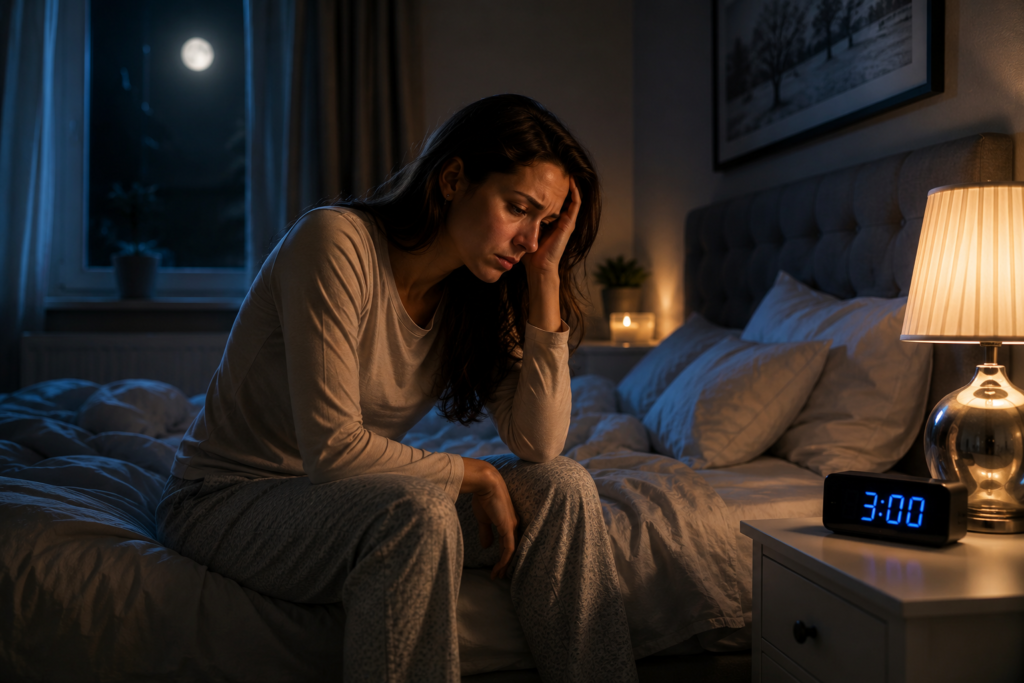
Why Can’t I Sleep at Night?
You crawl into bed exhausted, turn off the lights, and expect sleep to come naturally. Instead, your mind starts racing, your body feels restless, and the minutes turn into hours. If you’ve ever asked yourself, “why can’t I sleep at night?”, you’re far from alone.
Difficulty sleeping affects millions of people across the UK every year. While occasional sleepless nights are normal, persistent trouble sleeping at night can impact your energy, mood, concentration, and overall health. The frustrating part is that the cause isn’t always obvious.
The good news is that sleep problems often have identifiable triggers. From anxiety and stress to poor sleep hygiene and underlying health conditions, understanding the root cause is the first step toward better rest.
In this guide, you’ll learn the most common reasons I can’t sleep at night, how to recognize warning signs, and practical strategies that can help you sleep better at night.
Why Can’t I Sleep at Night? Understanding the Root Cause
When people wonder why they are unable to sleep at night, they often focus on the symptom rather than the cause. Sleep is influenced by a complex interaction between your brain, hormones, habits, environment, and overall health.
If one part of that system becomes disrupted, falling asleep can become surprisingly difficult.
Common Signs of Sleep Problems
- Taking longer than 30 minutes to fall asleep
- Waking up repeatedly during the night
- Waking up too early
- Feeling tired despite spending enough time in bed
- Experiencing restless sleep regularly
These symptoms may indicate temporary sleep disruption or a more persistent sleep disorder.
Image Suggestion: Infographic showing normal sleep cycle vs disrupted sleep cycle.
Stress, Anxiety and Racing Thoughts at Night
One of the most common insomnia causes is mental overstimulation.
When you’re stressed, your body releases cortisol and adrenaline. These hormones are designed to keep you alert and prepared for challenges. Unfortunately, they also make it harder to relax when bedtime arrives.
How Anxiety Affects Sleep
People experiencing anxiety and sleep issues often report:
- Racing thoughts at night
- Constant worry about the next day
- Overthinking conversations or problems
- Difficulty switching off mentally
For example, someone facing workplace pressure may feel physically tired but mentally alert, making it impossible to drift off.
What Helps?
Try setting aside 15 minutes before bed to write down worries or tomorrow’s tasks. This simple habit often reduces mental clutter and improves sleep onset.
Poor Sleep Hygiene Can Keep You Awake
Sleep hygiene refers to the habits and routines that support healthy sleep.
I’ve seen many people focus on supplements or medications while overlooking everyday behaviors that quietly sabotage sleep quality.
Common Sleep Hygiene Mistakes
- Using phones in bed
- Consuming caffeine late in the day
- Keeping inconsistent sleep schedules
- Watching stimulating content before bedtime
- Sleeping in on weekends
Better Sleep Hygiene Habits
- Go to bed at the same time daily
- Keep your bedroom cool and dark
- Avoid screens for at least one hour before bed
- Use your bed only for sleep and intimacy
Small changes often create meaningful improvements over time.
Your Circadian Rhythm May Be Out of Sync
Your body operates on an internal clock known as the circadian rhythm.
This system regulates alertness, body temperature, and melatonin production throughout the day.
When your circadian rhythm becomes disrupted, sleep problems at night often follow.
Common Causes of Circadian Disruption
- Shift work
- Jet lag
- Late-night screen exposure
- Irregular sleep schedules
Why Blue Light Matters
Electronic devices emit blue light that can suppress melatonin production. When melatonin levels remain low, your brain receives mixed signals about when it’s time to sleep.
Table Suggestion: Comparison of activities that support vs disrupt circadian rhythm.
Lifestyle Habits That Lead to Sleepless Nights
Many daily habits directly affect how easily you fall asleep.
Caffeine
Caffeine can remain in your system for up to eight hours or longer. An afternoon coffee may still be affecting your sleep at midnight.
Alcohol
Although alcohol can make you feel sleepy initially, it often causes waking up in the middle of the night and reduces sleep quality.
Lack of Physical Activity
Regular movement helps regulate sleep. People who spend most of the day sedentary often experience greater difficulty sleeping.
Heavy Evening Meals
Large meals close to bedtime may trigger indigestion and discomfort that interferes with sleep.
Medical Conditions and Sleep Disorders
Sometimes the answer to “why can’t I sleep at night” involves an underlying health issue.
Common Sleep Disorders
Insomnia
Insomnia is characterized by ongoing difficulty falling asleep, staying asleep, or waking too early.
Sleep Apnoea
This condition causes repeated breathing interruptions during sleep, often leading to daytime fatigue.
Restless Legs Syndrome
An uncomfortable urge to move the legs can make it difficult to relax at bedtime.
Other Health Conditions
Sleep difficulties can also be linked to:
- Chronic pain
- Thyroid disorders
- Asthma
- Acid reflux
- Depression
If sleep issues persist for several weeks, professional evaluation is often worthwhile.
The Hidden Impact of Sleep Deprivation
Many people underestimate how quickly sleep deprivation affects daily functioning.
Short-Term Effects
- Reduced concentration
- Mood swings
- Increased stress levels
- Poor decision-making
Long-Term Effects
Persistent poor sleep quality may contribute to:
- Heart disease risk
- Weight management challenges
- Weakened immune function
- Increased anxiety and depression symptoms
The body performs essential repair processes during sleep. Missing out on these processes can affect overall wellbeing.
Natural Remedies for Insomnia and Better Sleep
Many people prefer trying natural remedies for insomnia before considering other options.
Build a Consistent Bedtime Routine
A predictable bedtime routine signals your brain that sleep is approaching.
Examples include:
- Reading a book
- Gentle stretching
- Taking a warm bath
- Practicing mindfulness
Improve Your Sleep Environment
Your bedroom should support rest.
Aim for:
- Minimal noise
- Comfortable bedding
- Cool temperatures
- Limited light exposure
Relaxation Techniques
Deep breathing and progressive muscle relaxation can reduce physical tension and support sleep readiness.
When Additional Support May Help
Some individuals explore sleep-support products when lifestyle improvements alone aren’t enough.
For those researching prescription sleep aids, learn more about Nitrabit 10.
Individuals seeking information about short-term insomnia management can also review ZOP Tablets Zopiclone Tablets IP 7.5 mg.
Another option commonly discussed for sleep difficulties is Zopisign 10mg.
When Should You See a Doctor?
Occasional sleep difficulties are normal.
However, medical advice is recommended if:
- Symptoms last longer than three weeks
- Sleep problems affect work or daily activities
- Loud snoring accompanies fatigue
- Anxiety or depression symptoms are worsening
- Home strategies aren’t helping
A healthcare professional can identify whether a sleep disorder or underlying condition is contributing to your symptoms.
Frequently Asked Questions
Q: Why can’t I sleep at night even when I’m tired?
Being tired doesn’t always mean your brain is ready for sleep. Stress, anxiety, excessive screen use, caffeine, and circadian rhythm disruption can keep your mind alert even when your body feels exhausted.
Q: What are the most common reasons I can’t sleep at night?
Stress, anxiety, poor sleep hygiene, caffeine intake, irregular schedules, and insomnia are among the most common causes. Medical conditions and sleep disorders can also contribute.
Q: How do I know if I have insomnia?
Insomnia symptoms include difficulty falling asleep, staying asleep, waking too early, and daytime fatigue. If these symptoms occur regularly for weeks, insomnia may be present.
Q: Can anxiety cause trouble sleeping at night?
A: Yes. Anxiety often triggers racing thoughts at night and increases stress hormones that interfere with the body’s natural sleep process. Many people with anxiety experience difficulty falling asleep.
Q: Why do I keep waking up in the middle of the night?
Common causes include stress, alcohol consumption, sleep apnoea, environmental disturbances, medication effects, and poor sleep habits. Identifying patterns can help uncover the underlying cause.
Q: How can I sleep better at night naturally?
A: Improving sleep hygiene, maintaining a consistent bedtime, limiting caffeine, reducing screen exposure, and practicing relaxation techniques are effective natural approaches for many people.
Q: Can poor sleep quality affect my health?
Yes. Poor sleep quality may affect mood, concentration, immune function, cardiovascular health, and overall wellbeing when it becomes chronic.
Q: When should I worry about sleepless nights?
You should seek medical advice if sleep problems persist for several weeks, worsen over time, or significantly impact your daily life and functioning.
Conclusion
If you’ve been asking yourself, “why can’t I sleep at night?”, remember that sleep difficulties rarely happen without a reason. Stress and anxiety, poor sleep hygiene, disrupted circadian rhythms, lifestyle habits, and underlying health conditions are among the most common causes.
Three key takeaways stand out. First, identify the root cause rather than focusing only on the symptom. Second, consistent sleep habits often produce better results than quick fixes. Third, persistent sleep problems deserve professional attention rather than being ignored.
Better sleep usually comes from a combination of awareness, routine adjustments, and patience. By understanding what’s keeping you awake, you’ll be in a much stronger position to improve your sleep quality and enjoy more restful nights.