
Introduction
Have you ever climbed into bed feeling exhausted, only to find yourself staring at the ceiling for hours? It’s a frustrating experience that many people know all too well. In today’s busy world, stress, screen time, unhealthy routines, and environmental distractions often make it difficult to enjoy a good night’s rest. Finding effective sleep solutions has become more important than ever for maintaining both physical and mental well-being.
The good news is that better sleep doesn’t always require expensive treatments or medication. Sometimes, simple lifestyle changes and thoughtful adjustments to your bedtime routine can make a remarkable difference. These sleep solutions are designed to help you fall asleep faster, stay asleep longer, and wake up feeling refreshed and ready for the day. The best sleep solutions focus on creating healthy habits that support your body’s natural sleep cycle.
Whether you’re dealing with occasional sleepless nights or simply looking to improve your overall sleep quality, this guide will walk you through practical sleep solutions that actually work. You’ll discover natural sleep solutions that fit easily into your daily routine, along with expert-backed sleep solutions for creating the perfect sleep environment. By applying these sleep solutions consistently, you can improve both the quality and duration of your rest.
No matter your age or lifestyle, the right sleep solutions can help you overcome common sleep challenges and enjoy more restful nights. Start using these proven sleep solutions today, and you’ll be one step closer to waking up energized, focused, and ready to take on every day.
The Complete Guide to Effective Sleep Solutions
Why Quality Sleep Matters
Sleep is one of the most important pillars of good health. While we sleep, our bodies repair muscles, strengthen the immune system, process memories, and restore energy levels.
Poor sleep, on the other hand, can affect nearly every aspect of life, including:
- Reduced concentration
- Low energy throughout the day
- Increased stress levels
- Mood swings
- Lower productivity
- Weakened immune function
Finding the right sleep solutions isn’t just about feeling less tired—it’s about improving your overall quality of life.
Understanding the Common Causes of Poor Sleep
Before searching for the perfect solution, it’s important to understand what might be affecting your sleep.
Some of the most common causes include:
Stress and Anxiety
A busy mind often keeps the body awake. Worrying about work, finances, family, or personal responsibilities can make it difficult to relax before bedtime.
Excessive Screen Time
Phones, tablets, and laptops emit blue light, which can reduce melatonin production and delay sleep.
Poor Sleep Schedule
Going to bed at different times every night confuses your body’s internal clock.
Uncomfortable Sleep Environment
Noise, excessive light, uncomfortable bedding, or room temperature can all interfere with restful sleep.
Recognizing the root cause helps you choose the most effective sleep solutions for your situation.
Create a Consistent Bedtime Routine
One of the simplest yet most effective ways to improve sleep is maintaining a regular bedtime schedule.
Try to:
- Go to bed at the same time every night.
- Wake up at the same time every morning.
- Avoid sleeping in excessively on weekends.
- Give your body time to establish a natural rhythm.
Consistency trains your internal clock, making it easier to fall asleep naturally.
Build a Sleep-Friendly Bedroom
Your bedroom should encourage relaxation rather than distraction.
Consider making these improvements:
Keep the Room Cool
Most people sleep better in a slightly cool environment.
Reduce Light
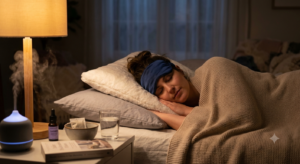
Use blackout curtains or a comfortable sleep mask to minimize outside light.
Minimize Noise
If outside sounds disturb your sleep, consider using earplugs or a white noise machine.
Choose Comfortable Bedding
A supportive mattress and comfortable pillows can significantly improve sleep quality.
These simple adjustments are among the easiest sleep solutions you can implement immediately.
Reduce Screen Time Before Bed
Many people spend the last hour of their day scrolling through social media or watching videos.
Unfortunately, screens stimulate the brain and expose your eyes to blue light.
Instead, try replacing screen time with relaxing activities such as:
- Reading a book
- Journaling
- Gentle stretching
- Meditation
- Listening to calming music
Even avoiding screens for 30–60 minutes before bed can make a noticeable difference.
Watch What You Eat and Drink
Your evening eating habits can directly affect your sleep.
Foods That May Help
- Bananas
- Almonds
- Oatmeal
- Yogurt
- Kiwi
- Cherries
Foods to Avoid Before Bed
- Spicy meals
- Heavy dinners
- Sugary snacks
- Caffeinated drinks
- Energy drinks
Eating a balanced dinner a few hours before bedtime gives your body enough time to digest comfortably.
Exercise Regularly
Physical activity is one of the most effective natural sleep solutions available.
Exercise helps:
- Reduce stress
- Improve mood
- Increase deep sleep
- Balance hormones
- Boost overall health
Walking, cycling, swimming, yoga, or strength training can all contribute to better sleep.
However, avoid intense workouts immediately before bedtime, as they may leave you feeling energized instead of relaxed.
Practice Relaxation Techniques
Relaxing your body before bed helps signal that it’s time to sleep.
Popular relaxation methods include:
Deep Breathing
Slow, controlled breathing helps calm your nervous system.
Meditation
Even five to ten minutes of mindfulness can reduce stress and quiet racing thoughts.
Progressive Muscle Relaxation
Gradually tightening and relaxing each muscle group encourages physical relaxation.
These natural sleep solutions don’t require expensive equipment and can easily become part of your nightly routine.
Manage Stress Throughout the Day
Good sleep often starts long before bedtime.
Healthy stress-management habits include:
- Taking regular breaks
- Spending time outdoors
- Talking with supportive friends or family
- Practicing gratitude
- Avoiding unnecessary multitasking
Reducing daytime stress often leads to better sleep at night.
Limit Daytime Naps
While short naps can be refreshing, long afternoon naps may make it harder to fall asleep later.
If you need a nap:
- Keep it under 30 minutes.
- Avoid napping late in the afternoon.
- Choose a quiet, comfortable place.
This helps maintain your natural sleep schedule.
Consider Natural Sleep Aids Carefully
Some people find herbal teas or calming bedtime rituals helpful.
Popular options include:
- Chamomile tea
- Lavender aromatherapy
- Warm milk
- Magnesium-rich foods
Although these may support relaxation, it’s always a good idea to consult a healthcare professional if sleep problems continue for an extended period.
When Should You Seek Professional Help?
Occasional restless nights are normal.
However, you should consider speaking with a healthcare provider if you experience:
- Difficulty sleeping for several weeks
- Loud snoring
- Gasping during sleep
- Extreme daytime fatigue
- Frequent waking throughout the night
Persistent sleep issues may indicate an underlying condition that requires professional evaluation.
Conclusion
Improving your sleep doesn’t have to be complicated. Small, consistent changes often produce the biggest results over time. By following practical sleep solutions like maintaining a regular bedtime, reducing screen time, exercising regularly, creating a relaxing sleep environment, and managing stress effectively, you can enjoy deeper, more restorative sleep.
Remember, everyone’s sleep needs are different. Experiment with different strategies until you discover what works best for you. Better sleep leads to better health, improved mood, increased productivity, and a happier life.
Start with one simple change tonight—your future self will thank you.
(FAQs)
1. What are the best sleep solutions for insomnia?
Maintaining a regular sleep schedule, reducing screen time, managing stress, and creating a comfortable sleep environment are among the most effective natural strategies.
2. How long does it take to improve sleep habits?
Many people notice improvements within one to three weeks of consistently following healthy sleep practices.
3. Is exercise good for sleep?
Yes. Regular physical activity can improve sleep quality, reduce stress, and help you fall asleep more easily.
4. Can diet affect sleep quality?
Absolutely. Limiting caffeine, heavy meals, and sugary snacks before bedtime can help promote better sleep.
5. When should I see a doctor about sleep problems?
If sleep difficulties persist for several weeks, interfere with daily life, or include symptoms like loud snoring or breathing pauses, consult a healthcare professional.